Finding the right fit makes all the difference. All ring sizes on our site are US sizes. Shopping from outside the US? Find the size you know in the international chart below and read across to the US size.
How to Find Your Ring Size
1. Measure a ring you own
This is the most accurate way to measure at home.
- Pick a ring that fits the finger you'll wear your new ring on.
- Lay it on a ruler and measure the inside diameter, edge to edge, without the metal.
- Find the closest number in the Inside diameter column of the chart.
2. Measure your finger
Use a strip of paper or string that doesn't stretch.
- Wrap it snugly around the base of your finger.
- Mark the point where the ends meet.
- Lay it flat and measure the length in millimeters.
- Find the closest number in the Circumference column.
3. Visit a jeweler
Most jewelers will size your finger for free in a minute or two. Ask for your US size, or use the chart to convert the size they give you.
International Ring Size Chart
Find your size in any column, then read across. The most popular sizes are highlighted. On a phone, swipe the table sideways to see every country.
| USCanada · Mexico | UKIreland · Australia · New Zealand | EUFrance · Belgium · ISO | ItalySpain · Switzerland | JapanChina · South Korea | Inside diameter (mm)Germany · Netherlands · Nordics | Circumference (mm) |
|---|---|---|---|---|---|---|
| 3 | F | 44 | 4 | 4 | 14.1 | 44.2 |
| 3½ | G | 45 | 5 | 5 | 14.5 | 45.5 |
| 4 | H | 47 | 7 | 7 | 14.9 | 46.8 |
| 4½ | I | 48 | 8 | 8 | 15.3 | 48.0 |
| 5 | J½ | 49 | 9 | 9 | 15.7 | 49.3 |
| 5½ | K½ | 51 | 11 | 10 | 16.1 | 50.6 |
| 6 | L½ | 52 | 12 | 12 | 16.5 | 51.9 |
| 6½ | M½ | 53 | 13 | 13 | 16.9 | 53.1 |
| 7 | N½ | 54 | 14 | 14 | 17.3 | 54.4 |
| 7½ | O½ | 56 | 16 | 15 | 17.7 | 55.7 |
| 8 | P½ | 57 | 17 | 16 | 18.1 | 57.0 |
| 8½ | Q½ | 58 | 18 | 17 | 18.5 | 58.2 |
| 9 | R½ | 60 | 20 | 18 | 18.9 | 59.5 |
| 9½ | S½ | 61 | 21 | 19 | 19.4 | 60.8 |
| 10 | T½ | 62 | 22 | 20 | 19.8 | 62.1 |
| 10½ | U½ | 63 | 23 | 22 | 20.2 | 63.3 |
| 11 | V½ | 65 | 25 | 23 | 20.6 | 64.6 |
| 11½ | W½ | 66 | 26 | 24 | 21.0 | 65.9 |
| 12 | X½ | 67 | 27 | 25 | 21.4 | 67.2 |
| 12½ | Z | 68 | 28 | 26 | 21.8 | 68.5 |
| 13 | Z+1 | 70 | 30 | 27 | 22.2 | 69.7 |
| 13½ | Z+2 | 71 | 31 | 28 | 22.6 | 71.0 |
| 14 | Z+3 | 72 | 32 | 29 | 23.0 | 72.3 |
| 14½ | Z+4 | 74 | 34 | 30 | 23.4 | 73.6 |
| 15 | Z+5 | 75 | 35 | 31 | 23.8 | 74.8 |
Conversions are close equivalents, because each country's sizing steps are slightly different. EU sizes are the inside circumference in millimeters; German, Dutch and Nordic sizes are the inside diameter in millimeters. Available sizes vary by style, so check the size options on each product page.
Getting the Perfect Fit
Band width matters
Wider bands touch more of your finger, so they feel tighter than thin bands in the same size.
| Band width | Our recommendation |
|---|---|
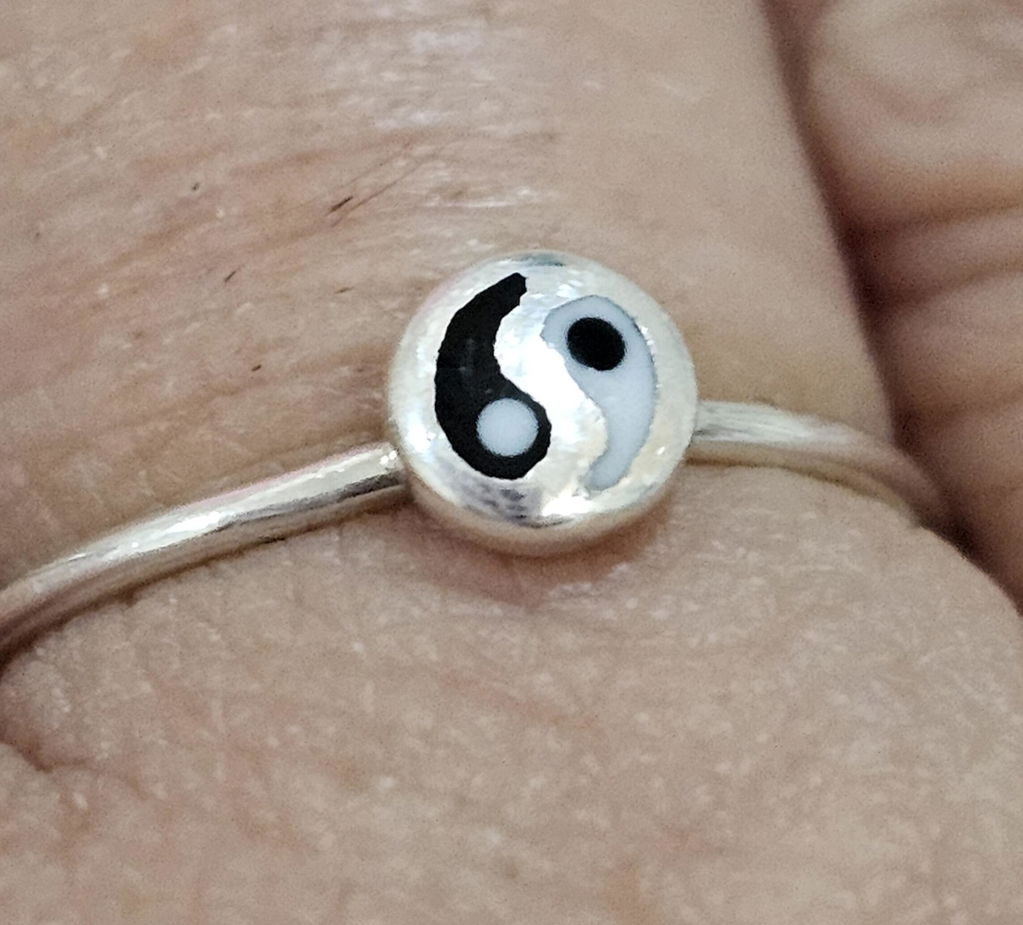
| Up to 4 mm (dainty, stacking rings) | Order your usual size |
| 4–6 mm (classic bands) | Your usual size, or ¼–½ size up if you're between sizes |
| Over 6 mm (wide, chunky, dome and statement rings) | Go up ½ size |
A ring that fits well…
- slides over your knuckle with a little resistance,
- doesn't spin freely or slip off when you shake your hand,
- doesn't leave a deep mark or feel tight after a few hours.
Good to know
- Each finger is a different size. Measure the exact finger you'll wear the ring on. Your dominant hand is often about half a size larger.
- Large knuckles? Measure both the base of your finger and your knuckle, then choose a size between the two so the ring slips on without spinning.
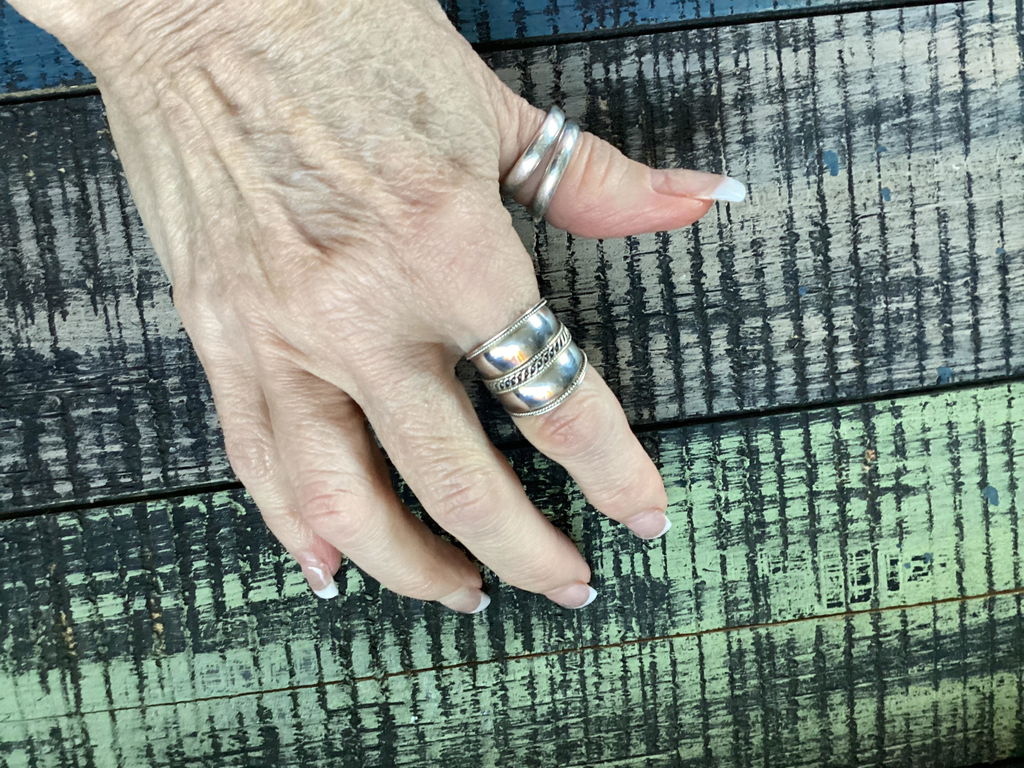
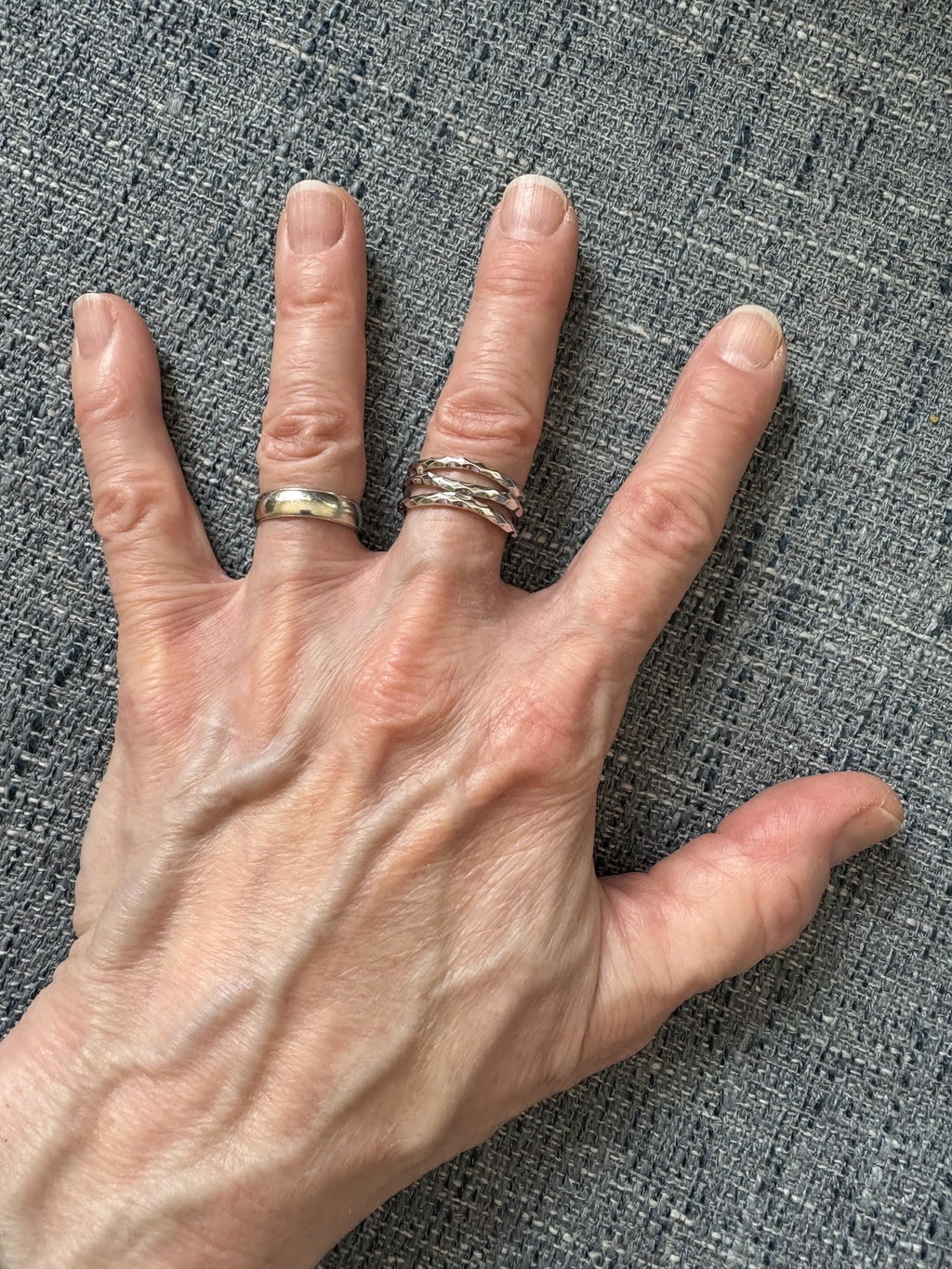
- Stacking several rings on one finger feels snugger than wearing one. Consider going up half a size for a full stack.
- Thumb rings are usually 2–3 sizes larger than your ring finger. Measure your thumb directly.
- Toe rings and open rings are adjustable. Gently squeeze or open them a little at a time for a comfortable fit.
- Weather changes your size. Fingers swell in heat and shrink in the cold, so a ring that feels loose in winter may fit perfectly in summer.
Buying a Ring as a Gift?
- Borrow a ring they wear on the same finger, measure its inside diameter and match it to the chart.
- Or press the ring into a bar of soap or trace its inside circle on paper, then measure.
- Ask a close friend or family member. They may know the size.
- Still guessing? The most common women's sizes are US 6–7 and men's are US 9–10. When in doubt, choose the larger size.
Bracelets & Bangles
Chain bracelets
Wrap a soft measuring tape or string around your wrist just above the wrist bone and note the length. For a comfortable fit, add about 1/2 inch (1.3 cm). For a looser, draped look, add about 1 inch (2.5 cm).
Bangles and cuffs
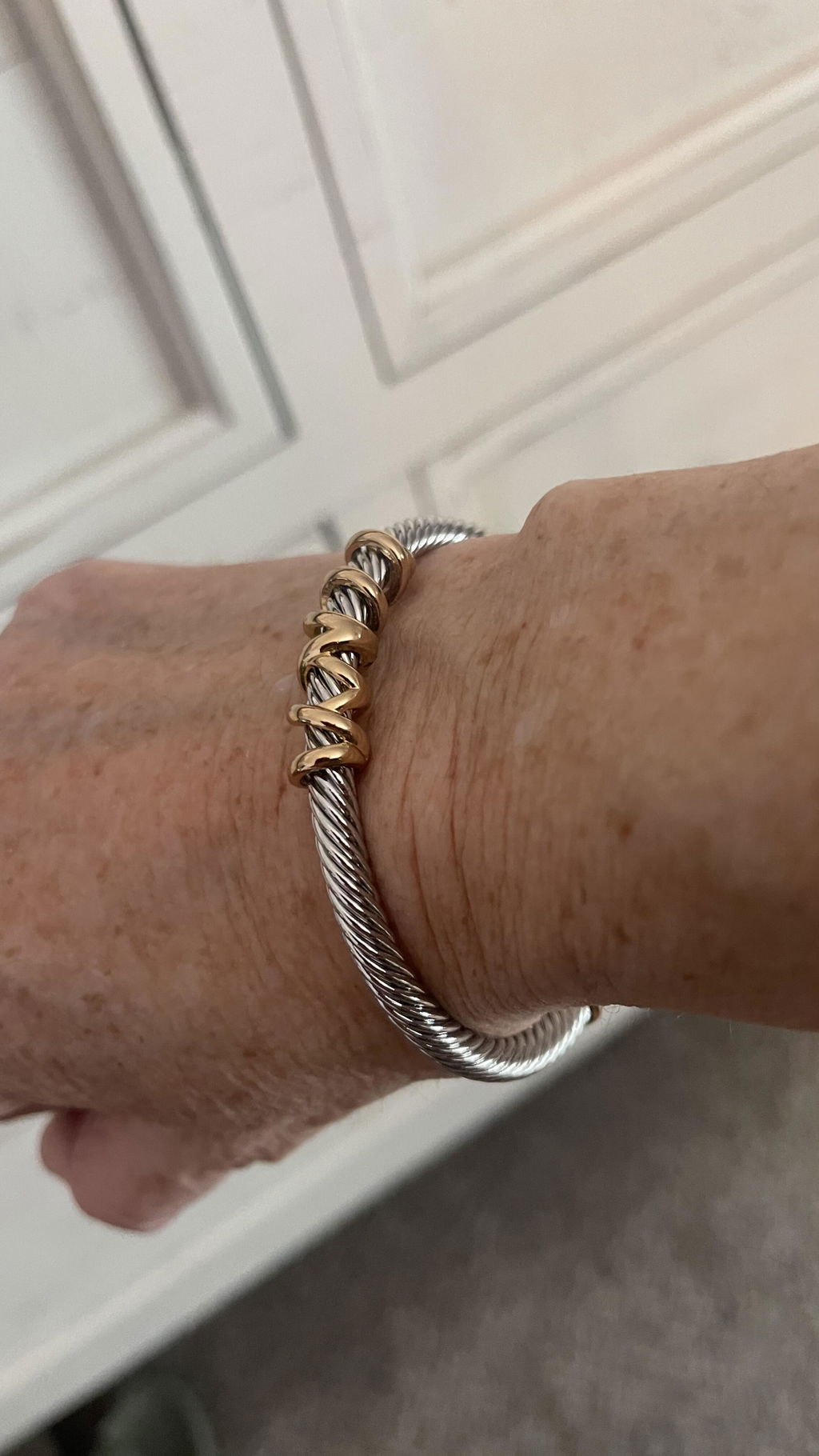
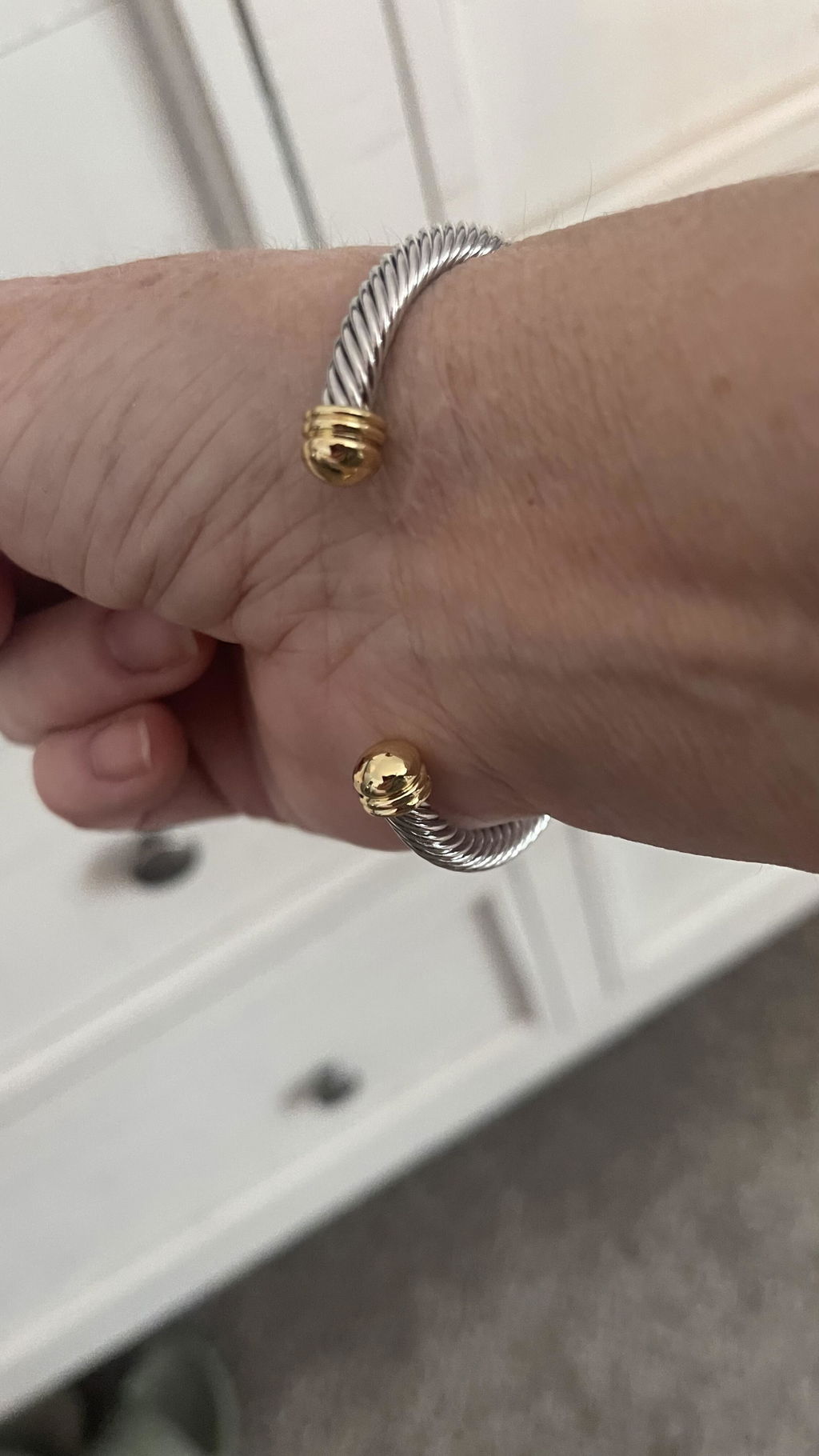
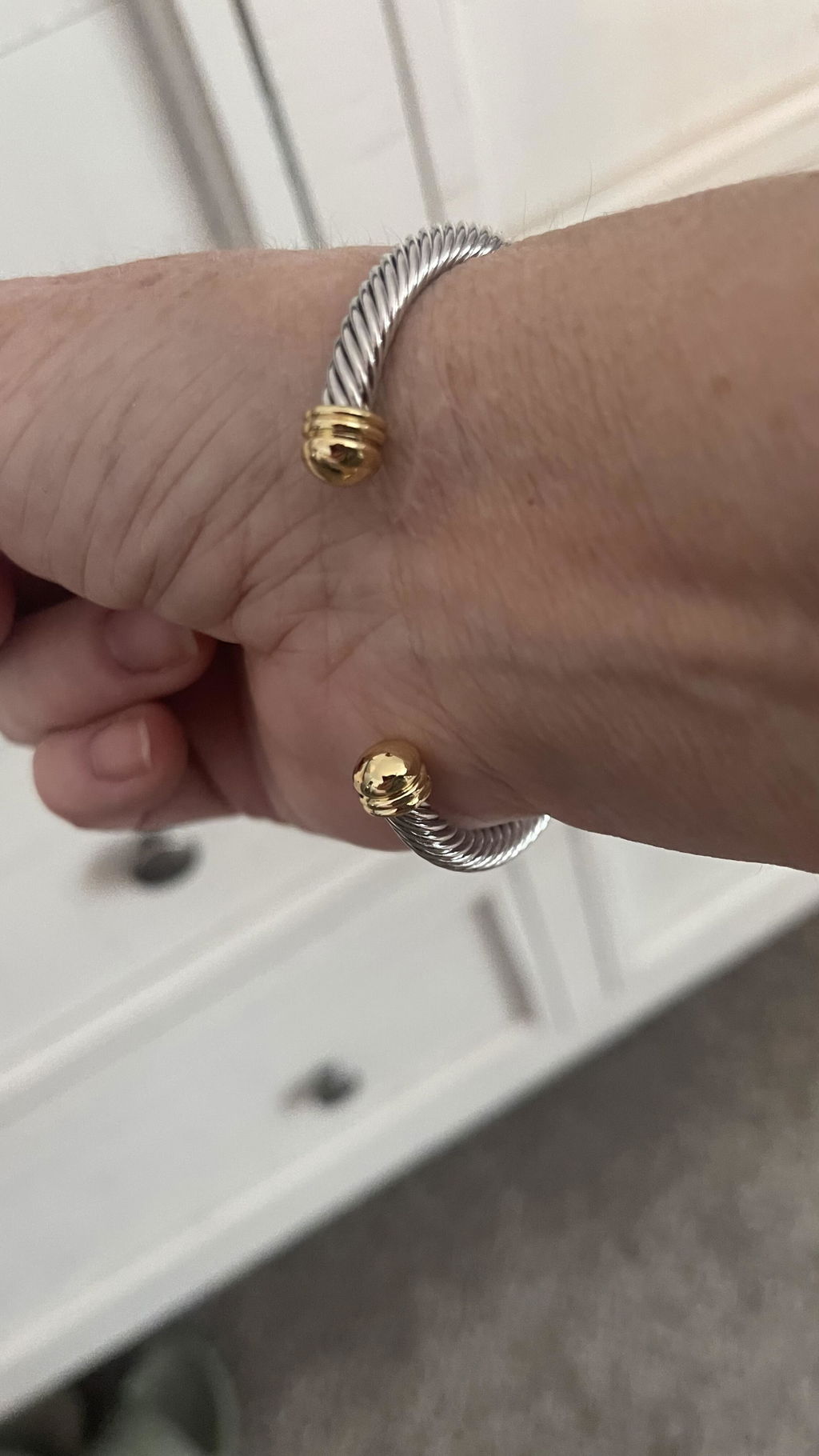
A bangle has to slip over your hand. Bring your thumb and little finger together as if putting on a bangle, then measure around the widest part of your hand, across the knuckles. Choose a bangle with an inside circumference slightly larger than this measurement. Cuffs have an opening and usually allow a gentle adjustment. Bend them slowly and only a little at a time.
Necklace Lengths
| Length | Where it sits |
|---|---|
| 14" (36 cm) | Choker, close around the neck |
| 16" (41 cm) | At the base of the neck, on the collarbone |
| 18" (46 cm) | Just below the collarbone. Our most popular length for pendants |
| 20" (51 cm) | A few inches below the collarbone |
| 22" (56 cm) | Around the top of a low neckline |
| 24" (61 cm) and longer | At or below the bust. Great for layering |
Layering tip: leave about 2 inches (5 cm) between each necklace so the pieces sit nicely without tangling.

Anklets
Measure around your ankle just above the ankle bone and add about 1/2 inch (1.3 cm) for a comfortable fit.
Still Not Sure?
We're happy to help you find the right size. Contact us with any questions before you order, or email info@emmavera.com. If a ring doesn't fit, see our Refund Policy for returns and exchanges.